Handmade Mandala: A Versatile Script Font for Modern Editorial Design
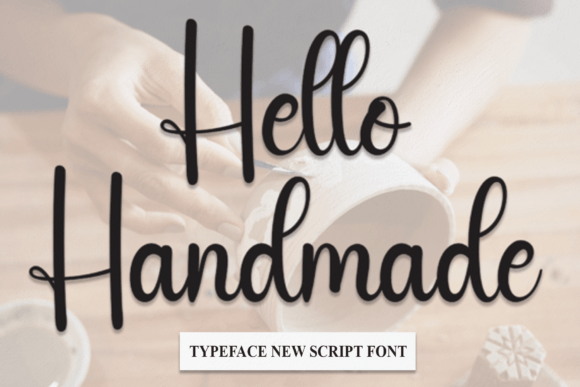
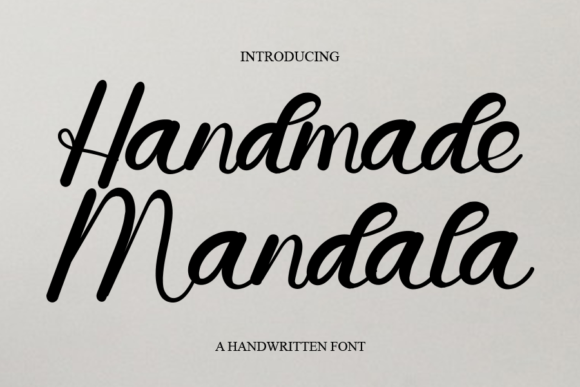
Handmade Mandala is a soft, approachable handwritten font that brings warmth and personality to editorial layouts. Its flowing script style and organic character shapes make it ideal for content creators who want to add a human touch to digital and print publications. Whether used in blog headers, newsletter graphics, or ebook covers, this Script & Font combination offers flexibility without sacrificing readability.
Why Handmade Mandala Fits Into Editorial Design
The visual tone of Handmade Mandala leans toward the organic and expressive, yet it maintains a balanced structure that supports editorial clarity. It works well in both digital and print environments, especially when the goal is to create a warm, inviting atmosphere. The font’s natural flow and slight texture make it ideal for content that feels personal and crafted, such as lifestyle blogs, creative workbooks, or digital magazines.
Its gentle curves and rhythmic spacing help guide the reader’s eye, making it particularly effective in quote graphics, chapter openers, and feature headings. Unlike more stylized script fonts that can become distracting in longer text, Handmade Mandala is restrained enough to maintain visual coherence while still offering a distinct personality.
Practical Applications in Content Creation
- Blog headers: Use Handmade Mandala for post titles or featured quotes to add visual warmth and draw attention without overwhelming the layout.
- Ebook covers: The font’s softness works well in wellness, personal development, and creative guides where a gentle, approachable tone is desired.
- Newsletter graphics: Incorporate it into branded headers or pull quotes to enhance the visual rhythm of your email campaigns.
- Printable planners: Perfect for section titles, motivational phrases, or decorative elements that need to feel personal and intentional.
- Digital magazines: Apply it in mastheads or sidebars to create contrast against more structured body fonts while maintaining a cohesive brand voice.
Supporting Visual Hierarchy and Reader Engagement
In editorial design, typography must serve both structure and emotion. Handmade Mandala excels in roles where a human touch enhances engagement—such as pull quotes, cover titles, and branded section openers. It works best as a display font rather than a long-form reading typeface, making it ideal for short bursts of text that need to stand out.
When used in magazine covers or blog headers, its organic shape can help differentiate your publication from more rigid, sans-serif-heavy designs. This contrast not only supports visual hierarchy but also creates a memorable brand identity. Pairing it with a clean serif or sans serif font for body copy ensures a balanced, reader-friendly layout across screens and print formats.
Font Pairing for Effective Editorial Layouts
One of the strengths of Handmade Mandala is its compatibility with a wide range of supporting typefaces. For editorial use, consider pairing it with:
- A classic serif font like Georgia or Playfair Display for body text in print or ebook formats.
- A modern sans serif font such as Lato or Open Sans for captions, navigation bars, or mobile-friendly layouts.
- A minimalist monospace font for code snippets or technical sidebars in digital publications.
This kind of thoughtful font pairing enhances readability while allowing Handmade Mandala to shine as the expressive centerpiece of your design. It’s especially effective in content that blends personal storytelling with structured information, such as recipe ebooks, coaching workbooks, or curated newsletters.
Readability Across Formats
When choosing a font for editorial work, it's essential to consider how it performs across different formats. Handmade Mandala maintains its legibility on screen and in print, especially when used at appropriate sizes and weights. For digital layouts, ensure sufficient line spacing and contrast when using it in lead-ins or quote blocks.
In PDF exports and printable guides, the font’s subtle texture adds visual interest without compromising clarity. On mobile devices, where space is limited, it works best in short-form elements like headlines or callouts rather than extended body text. When used thoughtfully, it supports a cohesive reading experience across platforms.
Design Features and Language Support
Before incorporating Handmade Mandala into your editorial toolkit, review the available styles, alternates, ligatures, and language support. Many modern script fonts include multiple character variations that allow for more natural, handwritten-looking compositions.
If your publication targets a multilingual audience, check whether the font supports extended Latin characters, diacritics, or non-English glyphs. These details ensure consistency across international editions and digital content translated for global readers.
Commercial Use and Licensing Considerations
For bloggers, newsletter writers, and independent publishers, understanding font licensing is crucial. Handmade Mandala is typically available under commercial licenses that allow use in ebooks, templates, printables, client publications, and digital downloads.
Before embedding the font in paid newsletters, branded worksheets, or downloadable guides, verify that your license covers those specific use cases. Some font licenses restrict redistribution or require additional permissions for embedded use in apps or software platforms.