The Picture Font: A Handwritten Touch for Modern Editorial Design
A Quiet Moment in Layout Design
It was late afternoon, and I was deep in the design of a new digital magazine layout. The editorial team had just finalized the feature article on sustainable living, and we were shaping the visual identity. The cover needed a title font that felt personal, yet polished. That’s when I tried Picture, a lovely handwritten font from the Script Amp category. What stood out wasn’t just its expressive character, but how it quietly elevated the mood of the entire design without overpowering the content.
Understanding the Visual Rhythm of Picture
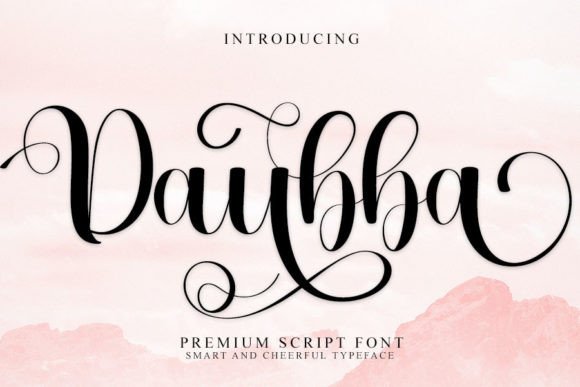
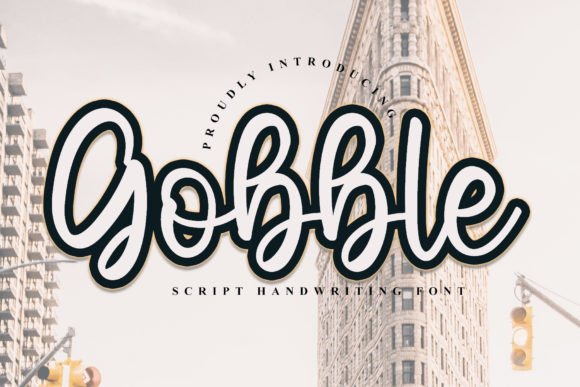
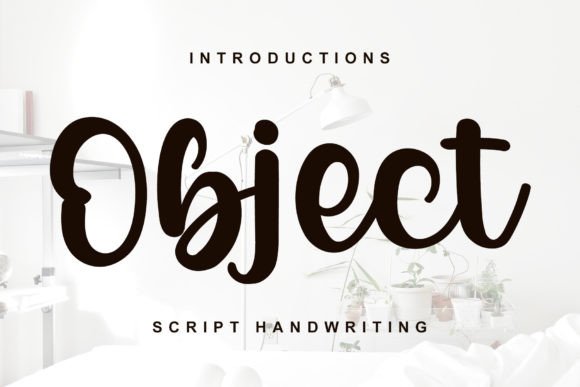
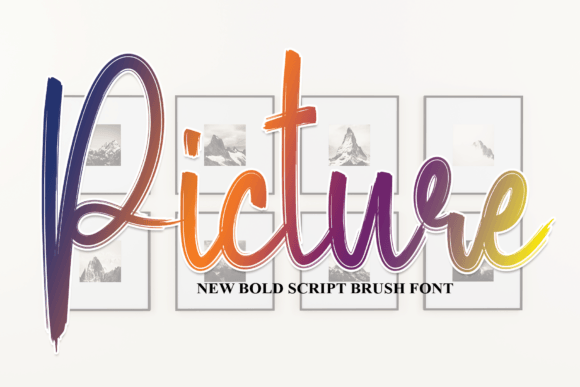
Picture is not your average script font. It carries a modern, flowing rhythm that mimics natural handwriting, but with refined consistency. Each letter feels intentional—neither too loose nor too formal. The gentle curves and soft transitions between strokes give it a warm personality that works especially well in editorial contexts that aim for intimacy and authenticity. Whether used in a wedding guide or a lifestyle blog header, Picture brings a human touch to the page.
Perfect for Titles, Headers, and Decorative Accents
During the layout test, I used Picture for the magazine cover title and a few section headers inside the feature. It performed beautifully at larger sizes, where its character could shine. The font’s open spacing and clear letterforms made it easy to read even when used as a decorative accent. It worked especially well in pull quotes, where a bit of visual flair helps break up dense blocks of text. However, I wouldn’t recommend it for body copy. At smaller sizes, the script nature of Picture can begin to feel a bit crowded, which affects readability—particularly on screen or in long-form digital content like course PDFs or printable planners.
Real-World Use: From Newsletters to Wedding Guides
For a recent client project, I tested Picture in a weekly creator newsletter. We used it in the header graphic and for article titles, pairing it with a clean sans serif font for body text. The contrast worked well—it gave the newsletter a curated, personal feel without sacrificing clarity. I’ve also seen it used effectively in wedding guides and recipe ebooks, where the font’s warmth enhances the emotional tone of the content. In printables like coaching workbooks or digital planners, Picture adds a soft, inviting quality to chapter openers and decorative elements.
Readability Across Mediums
One of the key considerations when choosing a font like Picture is readability across different formats. On screen, especially on mobile devices, the font holds up well when used at medium to large sizes. In print, it looks especially crisp in high-resolution formats like wedding invitations or product packaging. However, for PDF exports or long-form content where readers may scroll for minutes, I recommend limiting its use to headings and visual accents. Its expressive nature can become visually tiring in longer paragraphs.
Pairing Picture with Other Fonts
For editorial design, thoughtful font pairing is essential. When using Picture in magazine covers or newsletter headers, I often pair it with a classic serif font for subheadings and a minimalist sans serif for captions or navigation elements. This combination creates a clear visual hierarchy while keeping the design grounded. The contrast between the handwritten texture of Picture and the structured clarity of a supporting font helps guide the reader’s eye naturally through the layout.
Practical Considerations for Use
Before using Picture in commercial projects like ebooks, templates, or client publications, it’s important to check the font’s licensing terms. Most premium fonts in the Script Amp category, including Picture, offer commercial use rights, but always confirm. Additionally, check what styles, ligatures, and alternates are included. I found the font’s multilingual support solid, which was helpful for a recent international digital magazine project. The available file formats—OTF, TTF, and WOFF—made it easy to use across both print and web design platforms.